Best Practice First
Training the youth of Chimur for ‘B’ and ‘C’ certificate examinations for their dream of joining the Indian Armed Forces
Objectives of the Practice
Chimur is the land of martyrs who sacrificed their lives for freedom in 1942. These generations of students have the legacy of those martyrs and patriots, and are willing to serve the nation. To fulfil their dream, the institute has formed an NCC unit that offers military training and guidance to the youth through its association with the Indian Army units. Every year, several cadets qualify for the NCC ‘B’ and ‘C’ certificate examinations that allow them direct entry into the armed forces. We are proud to note that our students are currently serving as soldiers in several armed forces.
The Context
1) The main issue in the successful implementation of this is that the use of language used in such examinations is English, which students usually find difficult to understand as they are from a rural background. As a result, many students could not understand the meaning of questions asked in English and often failed in the beginning years.
2) Our students are from a poor background. Their family income is meagre, and therefore, despite strong will, they could not go through rigorous NCC training and dropped in the middle.
3) In the case of girl cadets, parents do not wish to send their girls to outstation NCC camps out of fear. We have sorted out this problem with counselling of parents.
The Practice
This practice is unique since it helps students get direct entry into the armed forces which they could, in all other cases, have to avail by paying exorbitant fees of training academies that are too far away from rural areas. Financial constraints are the main reason that village students cannot afford to enrol themselves. The availability of NCC in the institute provides this training and preparedness at almost no cost to these rural students, who are then trained in many army attachment camps and prepared accordingly. This also benefits rural girls who dream of joining the armed forces. This practice has helped our students to access more employment opportunities in similar areas.
Physical fitness acquired through NCC training also helps our students to enhance their performances in sports in intercollegiate and university level competitions as well.
Training offered in NCC inculcates the value of patriotism among cadets who can then perform their obligations and duties towards society and can become ideal citizens of this nation.
We gradually face the following constraints in this practice, which we strive to overcome every year :
1) The main issue in the successful implementation of this is that the use of language used in such examinations is English, which students usually find difficult to understand as they are from a rural background. As a result, many students could not understand the meaning of questions asked in English and often failed in the beginning years.
2) Our students are from a poor background. Their family income is meagre, and therefore, despite strong will, they could not go through rigorous NCC training and dropped out in the middle.
3) In the case of girl cadets, parents do not wish to send their girls to outstation NCC camps out of fear. We have sorted out this problem with counselling of parents.
Evidence of Success
Every year, many NCC students qualify ‘B’ and ‘C’ certificates. The strength of our unit is 52. A number of students qualify for different examinations for various positions in the Indian Armed Forces and Paramilitary Forces.
Every year, a number of NCC students represent our institute in intercollegiate and university level competitions and win prizes for us.
Training offered in NCC inculcates the value of patriotism among cadets, who can then perform their obligations and duties towards society and can be ideal citizens of this nation.
Problems Encountered and Resources Required
1) This practice can be implemented more successfully if students get financial support /scholarship/boarding facility so that they can have access nutrient food and prepare themselves accordingly.
2) Counselling of parents of girls cadets has proven useful tool to ward off their fear and anxiety that prevent them from sending their daughters to outstation army attachment camps.
3) Training of students to acquire excellent communication skills in English is another useful way to enhance their performance in the NCC ‘B’ and ‘C’ certificate examinations.
Best Practice Two
Community Services and Civic Responsibilities among Students through NSS Activities
Objectives of the Practice
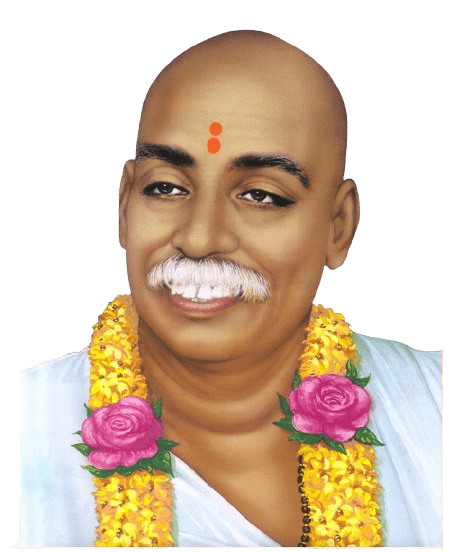
Engaging students in community oriented services through NSS is always our prime motto as seen in our motto ‘Come to Learn, Go to Serve’ so this year our institute organized NSS camp at College itself so that people nearby villages around the college can be the centre of community centred initiatives of the institute. A number of social and cultural drives as well as awareness drives and campaign were organized by our NSS volunteers as part of the institutional commitment to the local community. Our NSS unit has adopted the village of Gondeda for five years. It is the same village where Rashtrasant Tukdoji Maharaj was said to have attained enlightenment. The village is the mecca for the followers of Rashtrasant Tukdoji Maharaj. Every year, his followers gather to remember the memories of Rashtrasant Tukdoji Maharaj and pledge to carry his vision and mission. We have joined hands with them to contribute and give our part in the vision. Through the NSS camp, the volunteer work on making roads, cleaning nullahs, digging toilet pits, counselling the villagers on open defecation and the necessity of hygiene. We work on these ideals of Tukdoji Maharaj that form the integral part of his life philosophy.
The Context
Our NSS volunteers faced many issues in the adequate implementation of this practice. Since the camp is outstation camp in the village of Gondeda situated in the vicinity of TATR forest area, menaces of wild animals to their lives was always high. NSS coordinator and his associate teachers have to be on constantly vigil to avoid any such untoward incident. Students are therefore asked to stay in the group at night and whenever possible and not to venture out anywhere alone. Despite that, our camp became successful and we were able to accomplish the socio-cultural and awareness drives on our agenda due to strong will and determination of our coordinator and volunteers.
The second important challenge is the security of girl student in such camps. We have therefore appointed female teachers to stay with the girls and guide them accordingly whenever possible. However, we have received complete cooperation from the villagers in every initiative.
Practice
Through the NSS camp, the volunteer work on making roads, cleaning nullahs, digging toilet pits, counselling the villagers on open defecation and the necessity of hygiene. During the annual camp, every year, NSS volunteers work on such grave issues like gender – discrimination, domestic violence against women, female foeticide, superstition, sanitation, tree plantation and water- management, etc. Through awareness rallies and cultural activities local populations are awakened to these grave issues as once did by our Rashtrasant Tukdoji Maharaj through his sermons and bhajans. As a great reward to our efforts, our NSS volunteer Supriya Ashok Bhope was awarded the Indira Gandhi National Award for the Best Volunteer by the President of India in 2012. The motto of our college is ‘Come to learn, go to serve,’ adopted from Shri Tukdoji Maharaj’s ‘Gramgeeta.
Gandhi Seva Shikshan Samiti , our management body, established in 1952, owes its birth and legacy to the honourable saint revolutionary Rashtrasant Tukdoji Maharaj himself . Members of the body were the close companions of Rashtrasant Tukdoji Maharaj who were punished for participating in the revolution of 1942 stirred by the fiery bhajans of Tukdoji maharaj. In 1942, stirred by his Bhajan “ Zaad-zadule shatra banenge | pathar sare bomb banenge|” ( trees and stones will be transformed into lethal weapons) , the young and old revolted against the powerful British empire. There was a blood revolution at Chimur; the British forces at Chimur were whisked off by the revolutionaries and the national flag was hoisted with pride and smile on the faces of the nationalists. Thus Chimur became independent first in the whole history of India, the declaration of which was made to the whole world by Netaji Subash Chandra Bose from the Berlin Radio. The 16th August is celebrated as the August Revolution Day at Chimur and at our institute. It is because of this that we feel our obligation towards the people of Gondeda and organized NSS camp to sort out problems and issues in the village making them partake in the national mainstream development. We are committed to extend the scope of this best practice beyond the adopted village.
Evidence of Success
Inculcation of the value of community service and civic responsibilities among the students are the main concerns of our institutional vision and mission. It is also reflected in the motto of our institute, “ Come to Learn, Go to Serve”. Through the NSS camp, the volunteer work on making roads, cleaning nullahs, digging toilet pits, counselling the villagers on open defecation and the necessity of hygiene. During the annual camp, every year, NSS volunteers work on such grave issues like gender – discrimination, domestic violence against women, female foeticide, superstition, sanitation, tree plantation and water- management, etc. Through awareness rallies and cultural activities local populations are awakened to these grave issues and made aware about their obligations and duties toward the nation. The idea of ideal ‘Gram’ is enumerated in the life philosophy of Rashtrasant Tukdoji Maharaj and his Gramgeeta, dedicated to Gramnaath or farmer, whose development and social upliftment provides the core ideas to our NSS’ vision and mission in the village.
Problems Encountered and Resources Required
Since the camp is outstation camp in the village of Gondeda situated in the vicinity of TATR forest area, menaces of wild animals to their lives was always high. NSS coordinator and his associate teachers have to be on constantly vigil to avoid any such untoward incident. Students are therefore asked to stay in the group at night and whenever possible and not to venture out anywhere alone. Despite that, our camp became successful and we were able to accomplish the socio-cultural and awareness drives on our agenda due to strong will and determination of our coordinator and volunteers.
The second important challenge is the security of girl student in such camps. We have therefore appointed female teachers to stay with the girls and guide them accordingly whenever possible. However, we have received complete cooperation from the villagers in every initiative.